Can I carry an electric bike on a roof rack?
+
No, we don't recommend roof racks for electric bikes. E-bikes typically weigh 50–70kg, making them significantly heavier than standard bikes. Lifting such weight overhead is awkward and risky, and the added height stresses your roof bars. More importantly, the weight distribution on a roof can affect your vehicle's handling and fuel economy. Tow hitch or tow ball platform racks are the proper choice for e-bikes. Everything happens at waist height, you don't strain yourself loading, and these racks are engineered to handle the extra weight safely. Many e-bike owners we've fitted have also appreciated that platform racks make it easier to access their boot when bikes are loaded.
Do I need a special number plate for my bike rack?
+
Yes, if your bike rack or loaded bikes obscure your vehicle's rear number plate, you must install an auxiliary number plate on the rack. Australian law requires your number plate to be clearly visible from 20 metres away at any time. Each state manages this differently—NSW drivers can order plates from MyPlates, while ACT residents contact Access Canberra—but all states enforce these rules. A handwritten or photocopied plate is illegal and carries hefty fines. The good news: auxiliary plates cost under $50 and are straightforward to mount. Many hitch racks have integrated plate holders, making installation quick. If your setup also blocks brake lights, you'll need a light board as well.
What weight capacity should I choose for my bike rack?
+
Always check both the total rack capacity and the per-bike capacity. A rack rated for 120kg total might only support 50kg per position—two 65kg e-bikes would exceed the per-bike limit even though the total seems acceptable. Standard mountain bikes weigh 28–32kg, but electric bikes often reach 60–70kg. Add water, tools, or accessories, and your real load climbs quickly. Our recommendation: choose a rack rated 15kg higher than your heaviest bike to account for road conditions and acceleration forces. For households with mixed bikes, a platform-style hitch rack offers greater flexibility. Exceeding weight limits voids warranties and risks damage to your bike, vehicle, and safety on the road.
Will a bike rack damage my car?
+
Damage is rare when you choose the right rack for your situation and stay within weight limits. Hitch-mounted racks are generally low-risk because the load sits on the hitch receiver rather than your paint. Trunk racks can cause issues if straps are over-tightened on plastic panels, especially in hot weather when plastics become flexible. The most common damage we see comes from exceeding weight capacity, which causes the rack to sag or wobble, rubbing against your bumper or hatch. Roof racks can stress mounting points if overloaded. Our advice: select the right mounting style, never exceed capacity, remove the rack between trips, and apply corrosion inhibitor to the hitch receiver if using it regularly. With these precautions, your vehicle stays protected.
How do I protect a carbon frame bike on a rack?
+
Carbon frames demand wheel-hold racks—never use frame-hold or frame-hanging styles. Carbon tubes crack under point-loading pressure, and once cracked, the frame is compromised. Wheel-hold racks, including platform racks, secure the bike by its wheels and rims instead. If your rack has any frame contact points, ensure they're padded with protective foam or rubber. Check that clamps aren't over-tightened; carbon rims can delaminate under excessive pressure. Platform-style hitch racks are ideal for carbon bikes because wheels sit in wide trays with minimal frame contact. Never transport carbon bikes on roof racks without wheel-hold carriers. Road debris can strike the frame during highway driving, and even stones from trucks can cause bullet-like damage to exposed carbon.
Should I choose a roof rack or tow hitch bike rack?
+
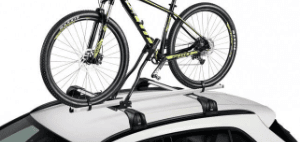
Tow hitch racks are the better long-term investment for most Australian drivers. They're easier to load—everything happens at waist height—they handle heavier bikes and multiple bikes without strain, and they don't affect your vehicle's aerodynamics or fuel consumption. Hitch racks also leave your boot accessible. Roof racks suit sedans and smaller SUVs where hitch installation isn't available, and they work well for lightweight road bikes on short trips. But if you're tall, have a high vehicle, or carry e-bikes, loading onto a roof becomes impractical. Choose roof if you need the freedom to access your boot frequently and only carry one lightweight bike. Choose tow hitch if you carry multiple bikes, have an e-bike, want easier loading, or plan regular trips. We've fitted over 300,000 bikes across Australia, and hitch mounting is the option customers are happiest with long-term.
How do I prevent my bike from being stolen off the rack?
+
Bike theft from racks happens, but it's preventable. First, secure the rack itself to your vehicle with a hitch lock if it's removable. Hitch-mounted racks benefit from locking pins that bolt through the receiver. Second, lock your bikes to the rack using a heavy-duty cable or chain—cable locks cut easily, so use thick, shrouded locks. Some platform racks include integrated cable locks; these work well for quick stops. Loop the cable through the frame and wheels, then secure it to a fixed point on the rack or use the safety chain loop on your hitch. Don't just trust straps alone; determined thieves can unbolt components. For high-risk areas or extended stops, use a U-lock in addition to the cable. Insurance helps too, but prevention is always better. Never leave bikes unattended on a rack for extended periods, and remove the rack between trips if possible.
Can my bike rack fit fat bikes and wide-tire bikes?
+
Not all racks accommodate fat bikes. Standard racks are designed for tire widths up to 2.5 inches; fat bike tires are 4–5 inches wide. Forcing a fat bike into a standard rack will damage the tires or the rack itself. If you own a fat bike or wider-tire e-bike, you need a rack specifically rated for fat tires. Most quality hitch platform racks offer wide tire baskets or adjustable trays that accommodate wheels up to 5 inches. Check the rack specifications—it should clearly state compatibility with your tire width and total wheelbase. Some manufacturers offer conversion kits to upgrade standard racks to fat-tire versions. Hitch-mounted platform racks are generally your best option for fat bikes because they provide stable support and enough clearance. If you have multiple bikes of different types, choose a platform rack with adjustable wheel holders so you can carry road bikes, mountain bikes, and fat bikes interchangeably.
How high can my bike rack extend without hitting tree branches or parking structure?
+
Hitch-mounted racks extend 30–45cm from your bumper depending on the style. Platform racks sit lower; hanging racks extend higher. For roof-mounted racks, bikes sit about 15–20cm above your roof line. Before purchasing, measure your vehicle's total height when bikes are loaded. This matters when entering parking garages—countless owners damage racks or bikes trying to fit into tighter spaces than they anticipated. If you drive an SUV or 4WD, check your approach angle and the clearance to low branches on bush trails. Some newer hitch racks have tilting mechanisms that lower the entire rack to access your boot; this is worth considering if clearance is tight. Always be aware of your loaded height, especially in urban car parks and garages. When in doubt, get out and eyeball it before driving forward.
Do I need to remove my bike rack between trips?
+
It depends on your rack style and vehicle. Removable hitch racks can be taken off in seconds and stored in your boot, protecting your vehicle's appearance and reducing wind resistance. If you don't use the rack regularly, removal extends the lifespan of both rack and vehicle because you avoid corrosion, weathering, and minor movement stress. Roof-mounted racks and some permanent hitch setups are harder to remove, so most owners leave them installed. Note: Australian law states that bike racks should only be attached when transporting bikes. If you leave an empty rack installed, it's technically not compliant. More practically, a loaded hitch rack affects fuel economy and handling, so removing it between trips saves money on fuel. Roof racks create wind noise and add weight. If you use a rack weekly or more, the convenience of leaving it on might outweigh the costs. For occasional users or those concerned about vehicle aesthetics, removable racks are worth the extra effort.
What's the safest way to load bikes onto my rack?
+
Start with a clean, dry rack and check that all clamps, straps, and fasteners are secure. Remove any accessories from your bikes—water bottles, lights, bells—that might fall during travel or rattle. Load heavier bikes first, positioning them to balance the load across the rack. For platform racks, align the wheels firmly in the trays and secure wheel straps snugly but not so tight they deform rims or tires. For hanging racks, hang the bike by its top tube and secure the fork if required. Double-check that bikes don't touch each other or any part of your vehicle. If carrying mixed bike types, position lighter bikes on the outer positions and heavier bikes toward the center. Make a final circuit: is the rack itself tight against the vehicle? Are straps not loose? Do wheels spin freely or are they held steady? Test the rack gently by hand before driving. After your first 10–15 minutes of driving, pull over and recheck everything—components settle under road conditions. Regular maintenance keeps your setup safe and your bikes protected.